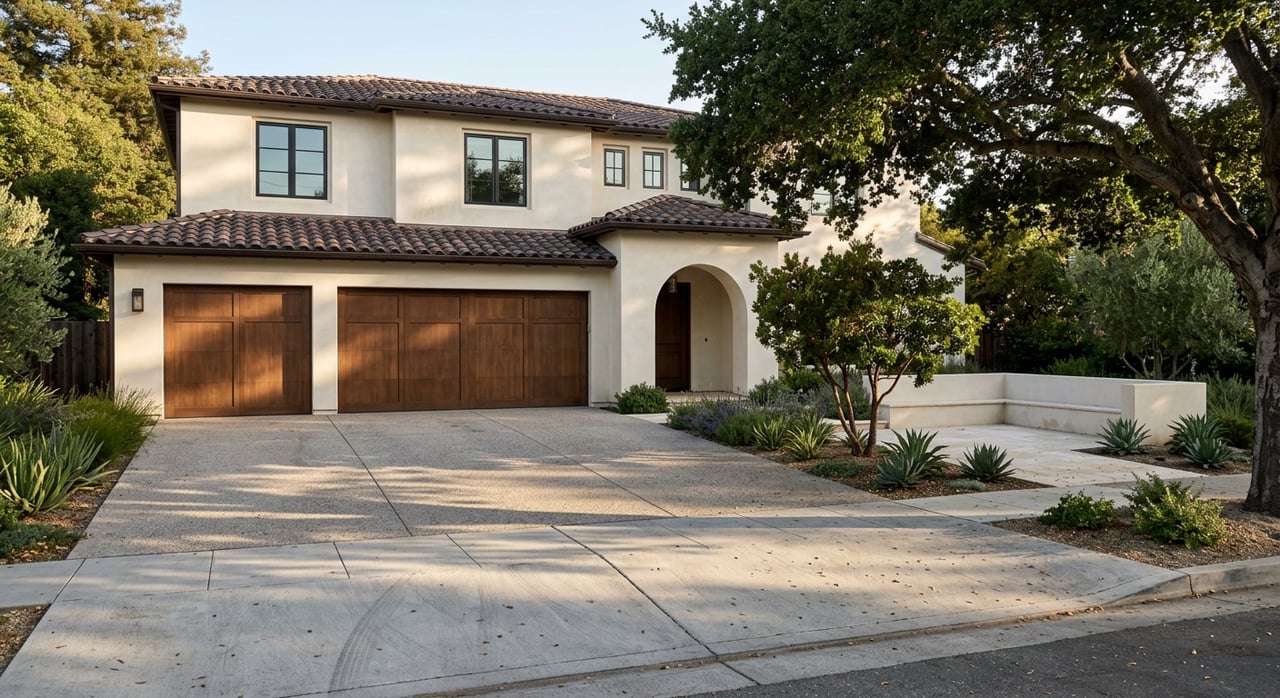
What It's Like Living In Corona, CA
May 28, 2026
May 28, 2026
Wondering whether Corona, CA feels like a place where you can put down roots, manage the daily commute, and still have enough to do close to home? That is a common question, especially if you are comparing Inland Empire cities and trying to balance budget, lifestyle, and convenience. The good news is that Corona offers a suburban setting with a strong homeowner base, a wide housing mix, and solid access to freeways, rail, parks, and shopping. Let’s take a closer look at what everyday life in Corona is really like.
If you are picturing Corona, think large suburban city rather than dense urban center. The city had an estimated population of 161,540 in July 2024 and covers about 39.2 square miles, which gives it room for residential neighborhoods, shopping districts, parks, and commuter routes.
A few numbers help paint the picture. About 23.2% of residents are under 18, the average household size is 3.22 people, and 63.8% of housing units are owner-occupied. Taken together, those figures suggest a city where many people are looking for stability, space, and a longer-term home base.
Corona is also a diverse community. Census data shows 48.1% of residents identify as Hispanic or Latino, and 25.1% of residents are foreign-born. That diversity shapes the city’s day-to-day character and adds to its broad appeal for buyers and renters alike.
One of the biggest things to know about living in Corona is that the housing experience is not the same in every part of town. The city includes several specific-plan areas, including Dos Lagos, Eagle Glen, Sierra Del Oro, Corona Ranch, North Main Street, and Downtown Corona Revitalization. That means your day-to-day lifestyle can feel different depending on where you live.
Corona’s housing stock leans heavily toward traditional homes. SCAG data shows 66.9% of housing units were single-family detached homes, while 20.9% were multifamily buildings with five or more units. The rest includes smaller multifamily properties, attached homes, and mobile homes.
For buyers, that means you can find a mix of options, from established subdivisions to condos, apartments, and denser mixed-use areas. For sellers, it also means pricing and marketing strategy can vary a lot depending on the property type and location.
Cost is an important part of the conversation. Census QuickFacts lists the median value of owner-occupied homes at $700,700, median gross rent at $2,228, and median monthly owner costs with a mortgage at $2,871. In short, both renting and owning in Corona require a meaningful budget, so it helps to go in with clear expectations.
Corona is closely tied to regional travel patterns. The city sits at the junction of the 91 and 15 freeways, and that location is a big reason many people consider it when they need access to Riverside County, Orange County, or the broader Los Angeles area.
The average one-way commute is 34.3 minutes, according to Census data. That does not tell the whole story of every household, but it does reflect a city where many residents travel outside Corona for work.
If you drive, freeway access is one of Corona’s biggest practical advantages. The 15/91 Express Lanes Connector was designed to create a smoother connection between the two toll systems in Corona, which matters if your routine regularly takes you through that corridor.
If you prefer alternatives to driving, Corona offers more than many people expect. The city runs the Corona Cruiser fixed-route service on Red and Blue lines, along with Dial-A-Ride service for eligible riders. These services can connect residents to places like City Hall, the Public Library, the Fender Museum, the Senior Center, shopping centers, hospitals, and medical offices.
Rail access is another plus. Corona has two Metrolink stations, Corona-North Main and Corona-West, and both serve the 91/Perris Valley and Inland Empire-Orange County lines. Those connections can help you reach destinations such as Anaheim, Orange, Fullerton, Buena Park, and Los Angeles Union Station.
For some commuters, one especially useful detail is that both stations list free passenger parking. If you are looking for a park-and-ride option, that can make rail more practical for everyday use.
If outdoor space matters to you, Corona has a lot going for it. The city reports more than 394 acres of parks, with amenities that include sports fields, basketball courts, playgrounds, tennis courts, two skateparks, and an outdoor pool.
This is not just about having a few scattered green spaces. Corona adopted a Parks and Recreation Master Plan and a Trails Master Plan in February 2024, with goals that include expanding and connecting local trails to regional systems such as the Cleveland National Forest and the Santa Ana River Trail.
That focus on recreation adds value to everyday life. Whether you enjoy walking, running, casual outdoor time, or organized sports, Corona offers options that can support an active routine close to home.
City Park is worth noting because it is the oldest and most centrally located park in Corona, dating back to 1913. The city also has a Park Ranger program that patrols urban parks and Skyline trails, which reflects ongoing attention to these public spaces.
For indoor activities, the Circle City Center adds another layer of convenience. It offers community programming such as fitness classes, sports, arts and crafts, movie nights, and rentable event space, giving residents another local outlet for recreation and gatherings.
A common concern in suburban cities is whether you will need to leave town for everything. In Corona, there is a strong local retail base that helps answer that question.
The city reported $4.33 billion in total retail sales in 2022, which points to substantial local shopping activity. In practical terms, that means Corona supports a meaningful mix of stores, services, and everyday conveniences.
Two of the city’s major retail and entertainment areas are The Crossings at Corona and The Shops at Dos Lagos, both located just off I-15. The Crossings includes restaurants, entertainment, and more than 65 stores, while Dos Lagos is known for its pedestrian-friendly Main Street layout, lakes, amphitheater, movie theater, and dining options.
These hubs help make daily life more convenient. Whether you are running errands, meeting friends for dinner, or looking for a nearby movie night, you have local choices without needing to plan a longer drive.
Corona is also putting attention on its future through downtown revitalization efforts. For buyers and residents who care about how a city evolves over time, that is something worth watching, especially if you value future improvements tied to dining, gathering spaces, and walkability.
For many people, living in Corona comes down to balance. You get a suburban environment, a strong supply of single-family homes, and a city layout built around both neighborhoods and regional access.
At the same time, Corona is not isolated. Its freeway position, Metrolink stations, local transit options, retail centers, and recreation system make it easier to stay connected to both daily needs and the wider Southern California region.
That said, lifestyle fit matters. If you want a denser, highly walkable urban experience, Corona may feel more spread out than what you are looking for. But if you want more of a suburban rhythm with parks, shopping, housing variety, and access to neighboring job centers, Corona checks a lot of boxes.
Corona may be worth a closer look if you are searching for:
It is especially helpful to think about your priorities before you start your search. Commute pattern, housing budget, preferred home type, and how much you want nearby shopping or recreation can all shape which part of Corona fits you best.
If you are buying or selling in Corona, having local guidance matters because one area of the city can feel very different from another. The right strategy is not just about the city as a whole. It is about matching your goals to the right neighborhood, price point, and timing.
If you want clear, honest guidance on buying or selling in Corona and the surrounding Southern California market, Edwin Ramirez can help you make a confident move.
Stay up to date on the latest real estate trends.
Get assistance in determining current property value, crafting a competitive offer, writing and negotiating a contract, and much more. Contact me today.