Orange vs Corona: Comparing Homes, Commutes, And Lifestyle
July 9, 2026
July 9, 2026
If you are deciding between Orange and Corona, you are probably weighing more than just home prices. You want to know how each city feels day to day, what kind of homes you will actually find, and how your commute may shape your routine. This side-by-side guide breaks down homes, transportation, and lifestyle so you can compare both cities with more clarity. Let’s dive in.
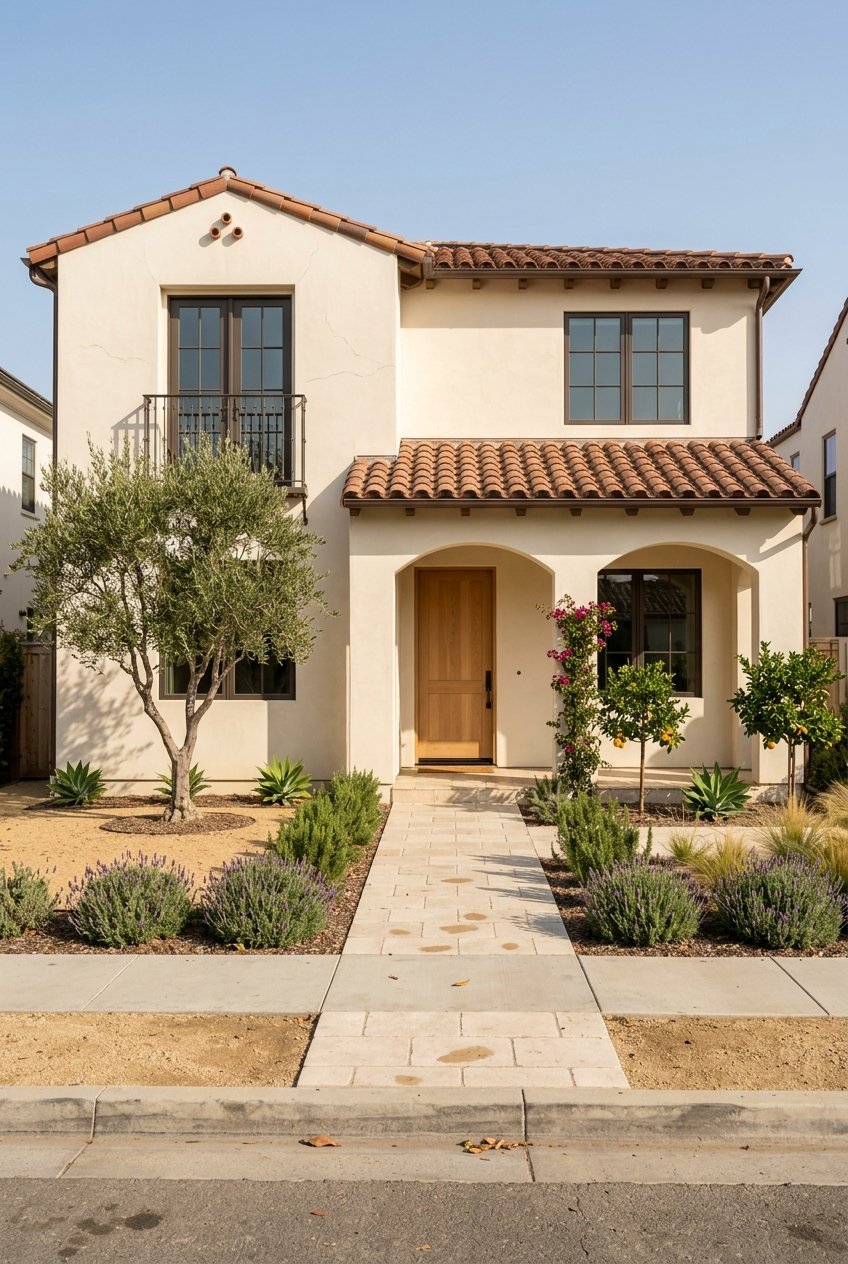
Orange and Corona offer different housing experiences, even though both appeal to Southern California buyers. The biggest difference is the age and character of the housing stock. If you want charm and variety, Orange stands out. If you want a more suburban feel with newer homes, Corona may feel like a better match.
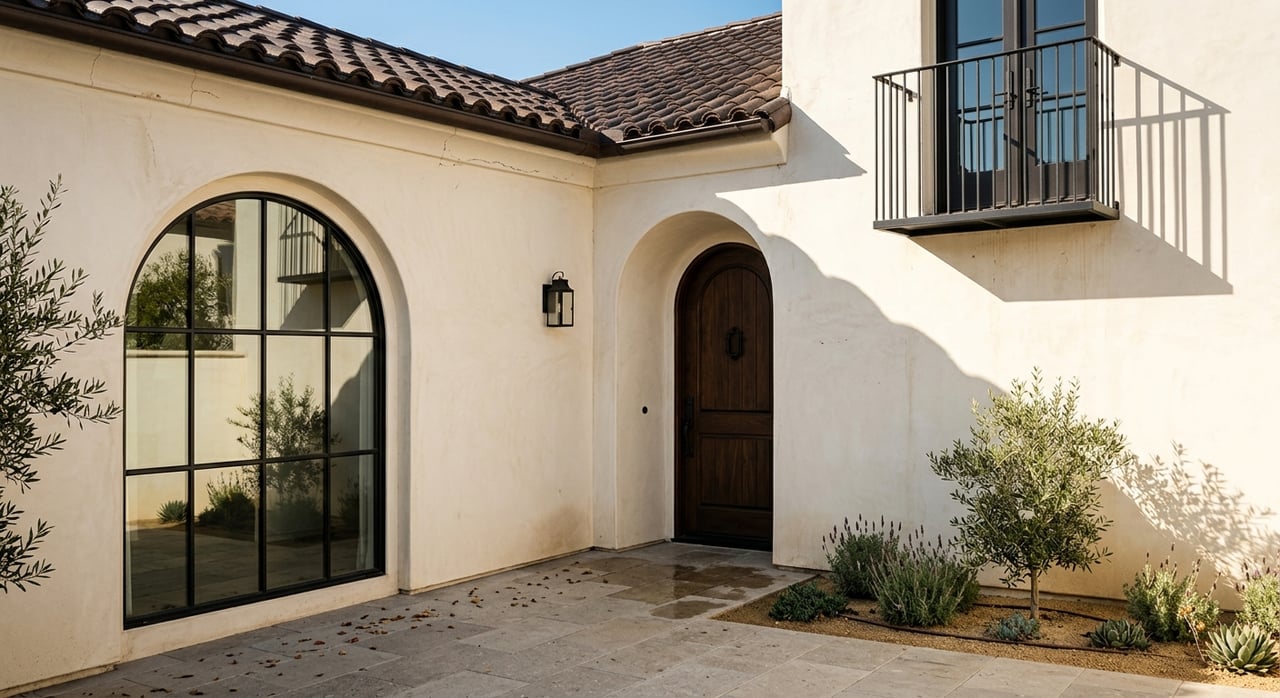
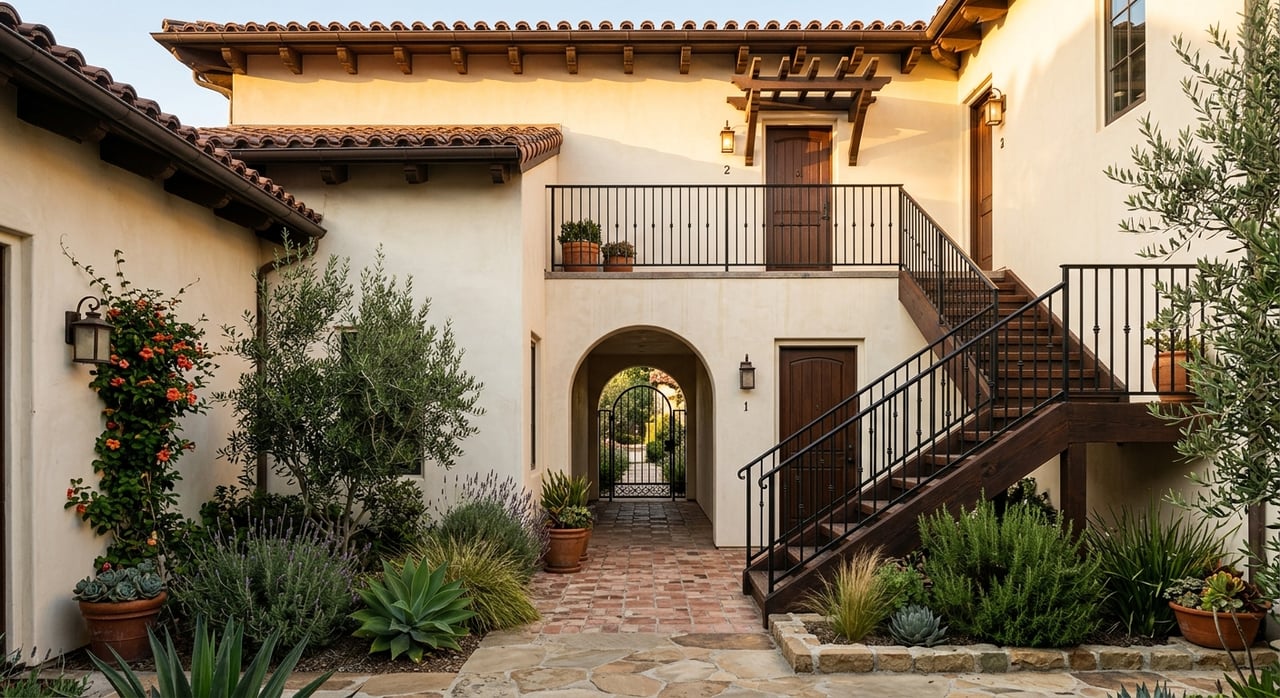
Orange is known for Old Towne Orange, which the city describes as California’s largest Nationally Registered Historic District. Its historic homes reflect styles tied to the 1880 to 1940 period, including Craftsman, Folk Victorian, Spanish Colonial Revival, Tudor Revival, and Mediterranean Revival. That gives parts of Orange a strong architectural identity that many buyers notice right away.
Beyond the historic core, Orange also has a broader housing mix. The city’s housing stock includes 55.4% single-family detached homes, 10.9% single-family attached homes, 10.1% in 2 to 4 unit buildings, 21.1% in 5+ unit buildings, and 2.5% mobile homes. That mix can give you more options if you are comparing detached homes, condos, townhomes, or smaller multifamily-style living.
Corona’s housing stock leans more heavily toward detached homes. SCAG reports that 66.9% of Corona homes are single-family detached, compared with 4.3% single-family attached, 4.5% in 2 to 4 unit buildings, 20.9% in 5+ unit buildings, and 3.4% mobile homes. In simple terms, Corona still reads as a suburban detached-home market first.
A major reason is age. SCAG reports that 84.4% of Corona’s housing stock was built after 1970. That does not mean every home is brand new, but it does suggest that many buyers will see a newer overall housing profile than they would in Orange.
Both cities are also planning for more housing variety over time. Orange says future housing opportunity sites are concentrated in Katella Avenue, South Main Street, and Uptown Orange. Corona’s 2021 to 2029 Housing Element says the city is rezoning several properties to increase the mix of housing types.
For buyers, that means each city may continue adding infill, mixed-use, or higher-density options. Still, today’s identity remains fairly clear. Orange tends to offer more architectural character and a wider range of housing formats, while Corona stays more centered on the suburban detached-home experience.
Price is one of the clearest differences between Orange and Corona. Across several data sources in the research, Orange comes in higher. That matters whether you are trying to maximize budget, compare value, or decide how competitive your search may feel.
Census QuickFacts lists the median owner-occupied housing value at $945,800 in Orange and $700,700 in Corona. Zillow’s May 31, 2026 home value index puts Orange at $1,140,934 and Corona at $764,199. Redfin’s May 2026 median sale prices show Orange at $1,249,252 and Corona at $799,522.
Depending on which metric you look at, Orange is roughly $377,000 to $450,000 higher than Corona. That is a meaningful gap for buyers deciding how much space, style, or location they can afford. If your budget is tight, Corona may open more doors.
The research also points to a faster market pace in Orange. Zillow says homes go pending in around 13 days in Orange and 24 days in Corona. Redfin says Corona homes sell in about 44 days on average.
That does not guarantee what will happen with any specific listing, but it suggests Orange buyers may need to move quickly when the right home hits the market. Corona may offer a little more breathing room in some situations, especially for buyers who want time to compare options.
Commute time can shape your quality of life just as much as the home itself. Both cities have freeway and rail access, but they serve different daily patterns. Your job location, family routine, and travel habits will matter here.
Census QuickFacts shows an average commute time of 25.8 minutes in Orange. In Corona, the average commute time is 34.3 minutes. Based on those numbers, Orange has the shorter average commute by about 8.5 minutes.
For many buyers, that difference is not small. Over time, even a modest daily time savings can affect workdays, school drop-offs, errands, and weekend plans.
The City of Orange lists access via the 91, 55, 57, 22, and 5 freeways. Orange Station is served by Metrolink’s Orange County and Inland Empire-Orange County lines. City parking information also says Amtrak and Metrolink serve Orange Station, while OCTA buses provide service to Old Towne.
That network suggests Orange can be especially convenient if your routine centers on north or central Orange County, or if you want rail access tied into that part of the region. It is not a guarantee for every commuter, but the location and route mix are strong advantages.
Corona sits at the junction of the 91 and 15 freeways. The city also operates Corona Cruiser, a fixed-route bus system that serves City Hall, the library, shopping centers, hospitals, and medical offices. It connects with RTA, Park-and-Ride lots, and the North Main Metrolink station.
Corona has two Metrolink stations, North Main and West, both on the 91/Perris Valley and Inland Empire-Orange County lines. For buyers whose daily travel points inland or along the 91 corridor, Corona may line up better with that pattern.
Lifestyle is often the tiebreaker when two cities both fit your price range or commute needs. Orange and Corona offer different day-to-day experiences. One is more historic and downtown-oriented, while the other feels more suburban and park-driven.
Orange’s lifestyle advantage starts with Old Towne Orange. The area includes antique and collectibles dealers, specialty shops, art galleries, restaurants, the Orange Home Grown Farmers and Artisans Market every Saturday, and Chapman University’s Musco Center for the Arts. That mix creates a distinct local feel built around an established downtown environment.
The city also highlights 22 parks, the Orange Public Library & History Center, and local shopping support through Experience Orange. If you enjoy older architecture, local storefronts, and a city with visible historic identity, Orange offers a setting that is hard to duplicate.
Corona’s lifestyle leans more suburban and recreation-focused. The city says it has more than 394 acres of parks, including sports fields, basketball courts, playgrounds, tennis courts, two skateparks, and an outdoor pool. Those amenities support a practical outdoor routine for many households.
Corona also highlights City Park as its oldest and most centrally located park. Corona Heritage Park and Museum includes four historic homes, citrus packing houses, botanical gardens, and a museum focused on the city’s agricultural history. Combined with freeway access and local bus service, the city presents a more spread-out but functional everyday environment.
The better choice depends on what matters most in your move. Neither city is better for everyone. The right fit comes down to your budget, preferred home style, commute pattern, and the kind of daily environment you want.
If you are comparing Orange vs Corona, the biggest tradeoff is usually character versus cost. Orange offers more historic charm, a broader housing mix, and a shorter average commute, but it comes at a higher price. Corona offers newer housing, a more suburban feel, and more budget flexibility, especially if your routine already fits the inland freeway network.
The best move is to compare your budget, commute map, and must-have home features before you fall in love with a city name. If you want help narrowing your options in Orange, Corona, or nearby Southern California markets, Edwin Ramirez can guide you with honest feedback, strong communication, and hands-on support from search to closing.
Stay up to date on the latest real estate trends.
Get assistance in determining current property value, crafting a competitive offer, writing and negotiating a contract, and much more. Contact me today.