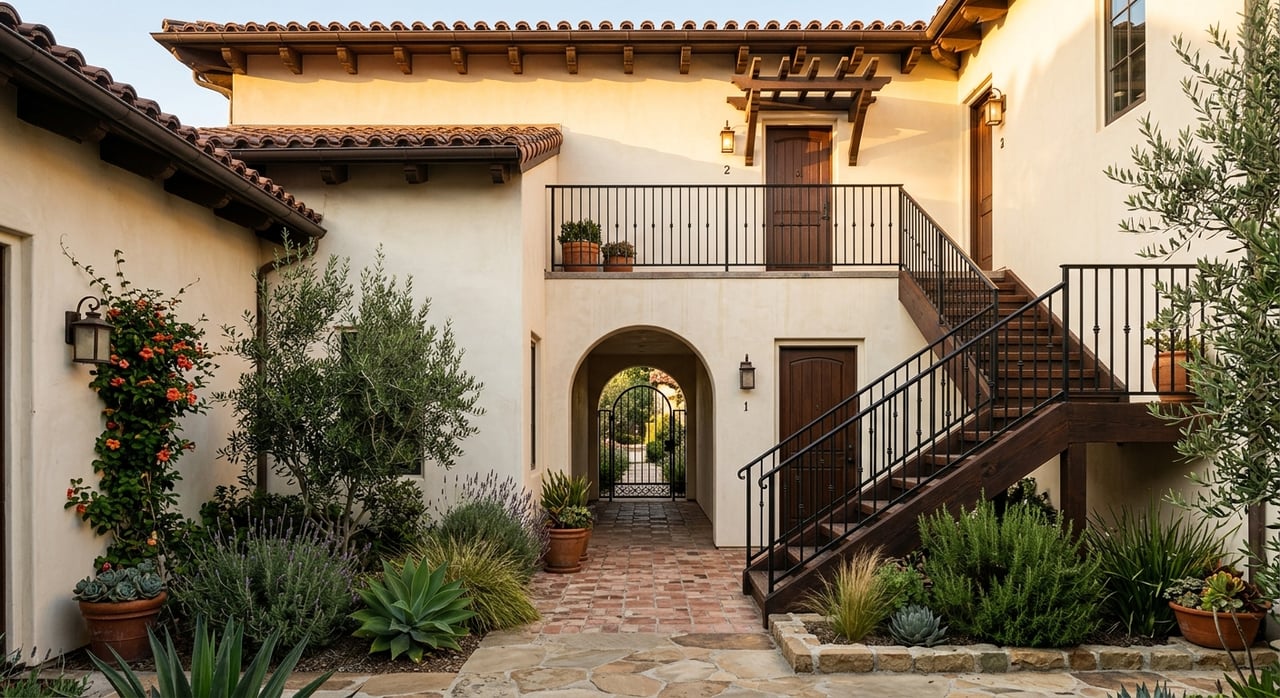
Condos vs Houses In Corona, CA: How To Choose
June 11, 2026
June 11, 2026
Trying to decide between a condo and a house in Corona? You are not alone. For many buyers, the real question is not just what you can afford today, but what kind of monthly payment, upkeep, and flexibility will feel right long term. In a market like Corona, where prices, neighborhoods, and property types can vary quite a bit, a smart choice starts with understanding the tradeoffs clearly. Let’s dive in.
In Corona, the gap between condos and houses is meaningful. Recent market data shows condos listed around a median price of $500,000, while townhouses sit closer to $581,000. Detached houses often start higher, with many current listings ranging from the mid-$600,000s into the $900,000s and beyond.
That difference can shape your search right away. If you want the lowest entry point into Corona homeownership, a condo may open more options. If you have room for a higher budget and want more space or control, a detached house may fit better.
Corona overall is a mid-to-high-$700,000 market, but that number does not tell the full story. Neighborhood values also vary, from about $572,948 in Downtown to more than $1,006,266 in Eagle Glen, with South Corona and Dos Lagos falling at different points in between. That is why your property type and your location choice should be considered together.
In California, a condo is a legal ownership structure, not just a building style. A townhome, on the other hand, is mainly an architectural style. That means a townhome in Corona may legally be a condominium or a planned development, and even some detached-looking homes can still be condos.
This matters because you should not judge ownership or maintenance rules by appearance alone. Before choosing between a condo and a house, you will want to review the title, CC&Rs, and HOA documents carefully. Those documents explain what you own, what the HOA manages, and what rules apply.
For example, features that look private, like a patio, balcony, yard, driveway, or parking space, may still be treated as exclusive-use common area under the governing documents. In practical terms, that can affect maintenance, repair responsibilities, and what changes you are allowed to make.
A lower purchase price does not always mean a lower monthly cost. In Corona, recent condo listings show HOA dues in the hundreds per month, with examples around $385, $390, and $480. Townhome examples also show HOA dues, including around $280 per month.
That means your real monthly budget should include more than principal and interest. You should also account for property taxes, HOA dues, and any parcel-specific assessments. Two properties with similar list prices can feel very different once those costs are added up.
The City of Corona notes that Riverside County assesses property each January 1, with the assessed value subject to the 1% ad valorem tax. Additional voter-approved debt and special assessments can also apply. Corona also has special assessment districts and maintenance assessment districts that may appear on a tax bill, including costs tied to infrastructure, landscaping, or street lighting.
If you are comparing a condo and a house, this is one of the biggest decision points. A condo may have a lower purchase price but a noticeable HOA payment. A house may have a higher price and more maintenance, but in some cases lower HOA dues or none at all, depending on the community.
For many buyers, maintenance is where the condo versus house decision becomes clearer. Condos often appeal to buyers who want less exterior upkeep. Under California Civil Code 4775, the HOA is generally responsible for common area, while the owner is generally responsible for the unit itself and, unless the declaration says otherwise, any exclusive-use common area attached to that unit.
That structure is one reason condo living can feel simpler day to day. You may have fewer exterior tasks to manage yourself, especially compared with a detached home. Still, the exact split of responsibilities can vary by community, so the HOA documents matter.
A detached house usually gives you more direct control over the home and lot. In exchange, you typically take on more responsibility for maintenance and repairs. That can be a good fit if you want more freedom with your exterior space, but it also means planning for more time and expense.
It is also worth noting that not every house is HOA-free. In California, some detached homes are still located in planned developments with HOAs and shared common improvements. So even if you are leaning toward a house, you should still verify whether HOA rules and shared costs apply.
The best option depends on how you want to live, not just what you want to buy. Corona is a car-oriented city overall, with a Walk Score of 39. For many buyers, that makes garage parking, commute routes, and everyday driving convenience more important than walkability.
A condo may make sense if you want a lower entry price, less exterior maintenance, and access to shared amenities like a community pool or managed common areas. Recent Corona condo listings reflect that pattern, with many highlighting HOA-managed living and garage parking.
A townhome can be a useful middle option. You may get more space or a more house-like layout than a condo, while still keeping some maintenance handled through the HOA. But because townhome is not a legal category by itself, one community can differ a lot from another.
A detached house often fits buyers who value privacy, land, exterior control, and long-term flexibility. If you know you want the ability to make more changes over time, a house may be worth the higher price and greater upkeep.
In Corona, your neighborhood target can influence whether a condo or house is realistic. Lower-entry areas like Downtown or Dos Lagos may offer more workable condo or townhome options for buyers trying to stay within a tighter budget. Higher-value areas such as South Corona or Eagle Glen may line up more often with buyers looking for larger detached homes.
That is not a strict rule, but it is a practical way to plan. Instead of asking only, “Should I buy a condo or a house?” it may help to ask, “What property type gives me the best fit in the part of Corona I want most?”
This is also where local guidance helps. A well-priced condo in one part of Corona may outperform an average detached house in another area if it better matches your budget, commute, and lifestyle needs. The goal is not to force one property type. The goal is to help you make a decision that works in real life.
Before you move forward on any condo, townhome, or house in Corona, it helps to slow down and confirm the details that affect ownership. Small differences in documents and monthly costs can have a big impact after closing.
Here are some of the key items to verify:
These details can protect you from surprises. They also help you compare homes fairly instead of relying only on list price or appearance.
If your top priorities are a lower entry price and less exterior maintenance, a condo may be the better fit. If you want a middle-ground option, a townhome may offer more space while still keeping some shared maintenance in place. If you care most about privacy, land, and control over the property, a detached house may be the stronger choice.
There is no one-size-fits-all answer in Corona. The right move depends on your budget, your comfort with monthly carrying costs, your maintenance preferences, and the neighborhood you want to target. When you compare all of those pieces together, the decision usually becomes much clearer.
If you want help sorting through condos, townhomes, or houses in Corona, Edwin Ramirez can help you compare the real costs, review the tradeoffs, and make a confident move with clear guidance every step of the way.
Stay up to date on the latest real estate trends.




Get assistance in determining current property value, crafting a competitive offer, writing and negotiating a contract, and much more. Contact me today.