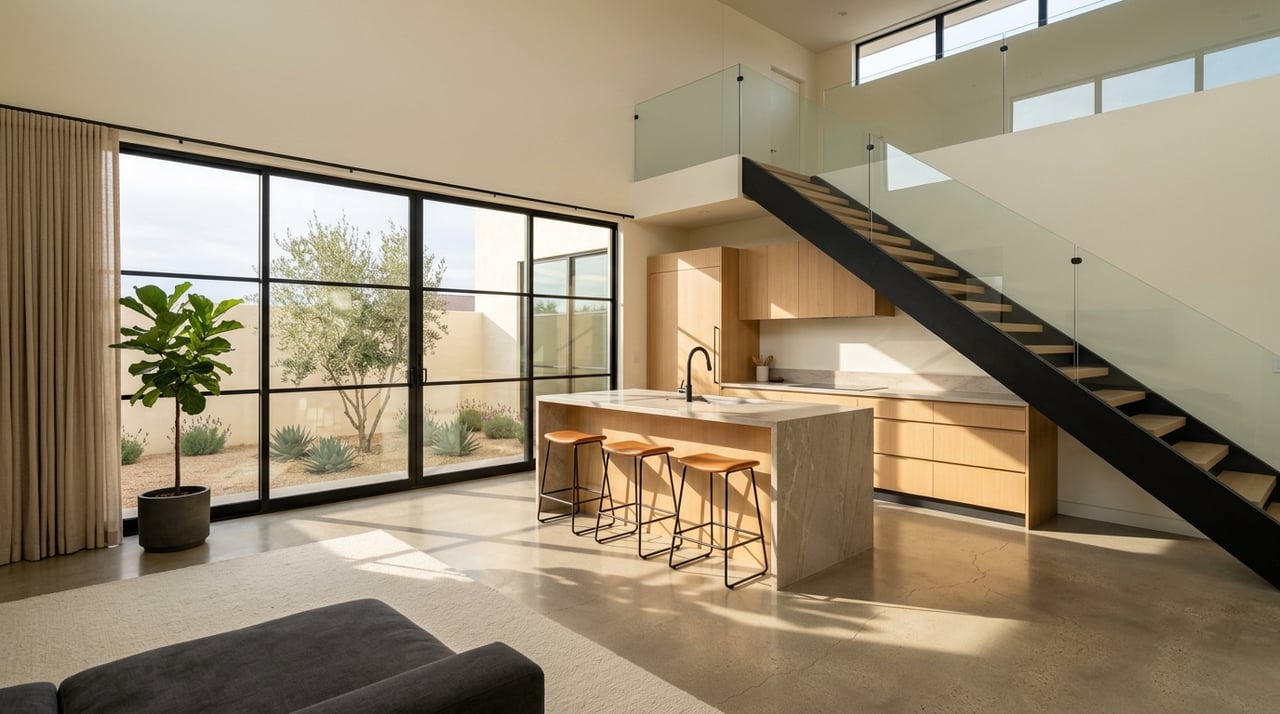
Corona, CA Housing Market Overview For Buyers And Sellers
June 4, 2026
June 4, 2026
If you are trying to decide whether now is a smart time to buy or sell in Corona, you are not alone. This market can feel confusing at first because prices remain high, homes still move, and yet buyers are seeing more room to negotiate than they did during the hottest years. The good news is that the numbers tell a clear story once you know how to read them. Here is what Corona buyers and sellers should know right now, and how to use that information to make a confident move.
Corona sits in Riverside County at the junction of the 91 and 15 freeways, which helps shape its housing market. Its location connects Inland Empire pricing with cross-county commuting patterns, so demand often reflects both local buyers and people comparing Corona with nearby Orange County options.
Recent public data places Corona home values and prices in the mid-$700,000s. Zillow reports a typical home value of $765,560, a median sale price of $733,167, and a median list price of $779,667. Redfin shows a median sale price of $784,595 over the last three months through April 2026, while Realtor.com reports a median listing price of $775,000.
Those numbers are not direct contradictions. They measure different things, including home value estimates, sold prices, and active listing prices. The bigger takeaway is simple: Corona remains a relatively pricey market, but not one where every home is flying off the shelf with no resistance.
The most accurate answer is that Corona looks slightly seller-leaning, but price-sensitive. Realtor.com classified Corona as a seller's market in March 2026, yet other metrics show buyers still have leverage in the right situations.
That balance matters. Homes are often selling close to asking price, but not every listing is commanding a premium. Redfin reports a 99.3% sale-to-list price ratio, while Realtor.com shows a 100% sale-to-list ratio, which means well-priced homes are still doing well.
At the same time, overpricing is getting punished more than it was during the peak pandemic market. Redfin reports that 33.8% of listings had price drops, and Zillow shows that 53.7% of sales closed under list price. In plain English, this is not a market where sellers can simply name any price and expect buyers to chase it.
Speed depends on which metric you use, but the pattern is consistent. Zillow reports 22 days to pending, Redfin shows 45 days on market, and Realtor.com shows about 50 days on market.
These differences come from how each platform measures timing. One tracks how fast a home goes under contract, while another may reflect the full listing period or sold-home timeline. What matters for you is the broader signal: homes are moving at a healthy pace, but buyers usually have more breathing room than they would in an extreme bidding-war environment.
Corona does not appear to be dealing with a severe inventory crunch or an oversupply problem. Zillow showed 486 homes for sale as of April 30, 2026, while Realtor.com showed 672 homes for sale in March 2026.
Again, the counts differ because of timing and methodology. Still, both figures point to an active market with real choices for buyers and real competition for sellers. That creates a more strategic environment where preparation matters on both sides.
One citywide median can only tell you so much. Corona has a wide range of price points depending on neighborhood and housing type, which is important whether you are buying your first home or planning to sell and move up.
Zillow neighborhood figures show this spread clearly. Downtown was reported at $572,948, Dos Lagos at $635,094, Trilogy at $709,387, Sycamore Creek at $814,113, South Corona at $920,389, Eagle Glen at $1,006,266, and Brentridge at $1,017,201.
That is a major gap within one city. It means buyers should not assume every part of Corona is priced the same, and sellers should not rely too heavily on broad city headlines when setting expectations for their own home.
Corona sits in an interesting position in Southern California. Based on county-level listing data, Riverside County had a median listing price of $625,000, while Orange County was at $1,348,944. Corona falls between those two, making it a more attainable option than many coastal Orange County areas while still pricing above the broader Inland Empire floor.
That middle position helps explain why Corona stays relevant for so many buyers. If you want access to Southern California employment centers but are still watching your budget carefully, Corona often enters the conversation. For sellers, that means there is still meaningful demand, but buyers are comparing value closely.
If you are buying in Corona, speed and preparation still matter. Homes are going pending in about 22 days on Zillow, and sold-market data from other sources suggests many listings are still moving within a month and a half or so.
That said, not every home will require an aggressive offer. The best opportunities are often listings that have been sitting longer, have had a price reduction, or need updates or repairs. Buyers may find more negotiating room there than with homes that are clean, well-prepared, and priced correctly from day one.
Corona is also a market where your entry point may depend heavily on property type. The city housing mix is dominated by detached homes, with SCAG reporting 66.9% single-family detached units. Attached homes, condos, and townhomes generally offer a lower entry point, which can matter if affordability is one of your biggest concerns.
At the state level, first-quarter 2026 affordability data showed that 22% of California households could afford a median-priced single-family home, compared with 32% for a typical condo or townhome. That does not guarantee lower-cost options in every part of Corona, but it supports the idea that attached housing can be a meaningful path into the market.
If you are selling in Corona, pricing strategy is everything. This market still rewards homes that are clean, well-presented, and positioned correctly, but it is not forgiving when a listing starts too high.
With 33.8% of listings showing price drops on Redfin, sellers should pay attention to market signals early. A strong launch matters because momentum in the first part of the listing period can shape the rest of the sale.
You also want to avoid assuming that citywide demand will automatically carry your home. Corona has meaningful variation by neighborhood, price band, condition, and property type. A detached home in a higher-priced submarket and a smaller condo in a lower-priced area may attract very different buyer pools and timelines.
For many sellers, this is where clear guidance makes a difference. A local strategy should focus on where your home fits within Corona's broader pricing range, what nearby active listings are competing with you, and how to present the home in a way that creates urgency without overreaching.
Corona's housing stock helps explain a lot about its pricing. SCAG reports that 66.9% of units are single-family detached, compared with 4.3% single-family attached, 4.5% small multifamily, 20.9% multifamily with five or more units, and 3.4% mobile homes.
Because detached homes make up such a large share of the housing stock, they tend to anchor the citywide median. That is one reason Corona can feel expensive even though there are lower-entry options in some segments. When you hear broad market numbers for Corona, remember that they are heavily influenced by detached-home demand.
The strongest takeaway is not one exact number. It is the pattern behind the numbers.
Corona remains a relatively expensive market compared with much of the Inland Empire, but it still offers a more attainable option than many nearby Orange County areas. Homes are selling, the market still leans a bit toward sellers, and strong listings can perform close to asking price.
At the same time, buyers are not powerless. Negotiation still exists, price drops are happening, and homes that miss the mark on pricing or condition can lose momentum. That makes this a market where careful planning, honest advice, and a smart strategy matter more than hype.
Whether you are buying your first place, moving up, or preparing to sell and make your next move, local context matters. If you want straightforward guidance on how to read the Corona market and plan your next step, connect with Edwin Ramirez.
Stay up to date on the latest real estate trends.
Get assistance in determining current property value, crafting a competitive offer, writing and negotiating a contract, and much more. Contact me today.