What It's Like Living In Orange, CA
April 16, 2026
April 16, 2026
If you are thinking about living in Orange, CA, you are probably trying to answer a bigger question: Will this city fit the way you actually want to live? Orange stands out because it blends historic character, practical convenience, and everyday amenities in a way that feels different from many newer Southern California communities. If you want a clear picture of the housing, commute, lifestyle, and trade-offs, this guide will help you sort through what life in Orange really looks like. Let’s dive in.
Orange is an established city in central Orange County with about 138,000 residents spread across roughly 27 square miles, according to the City of Orange visitor information. Its roots go back to 1869, and that history still shapes the city today.
You can feel that identity most clearly around Old Towne, Chapman University, and the civic core. Instead of feeling like a brand-new planned suburb, Orange comes across as a layered city with older neighborhoods, active local institutions, and a stronger sense of place.
The city is also diverse in age and background. Census QuickFacts for Orange show that 20.4% of residents are under 18, 15.3% are 65 or older, 39.9% identify as Hispanic or Latino, 13.9% as Asian, and 21.9% are foreign-born.
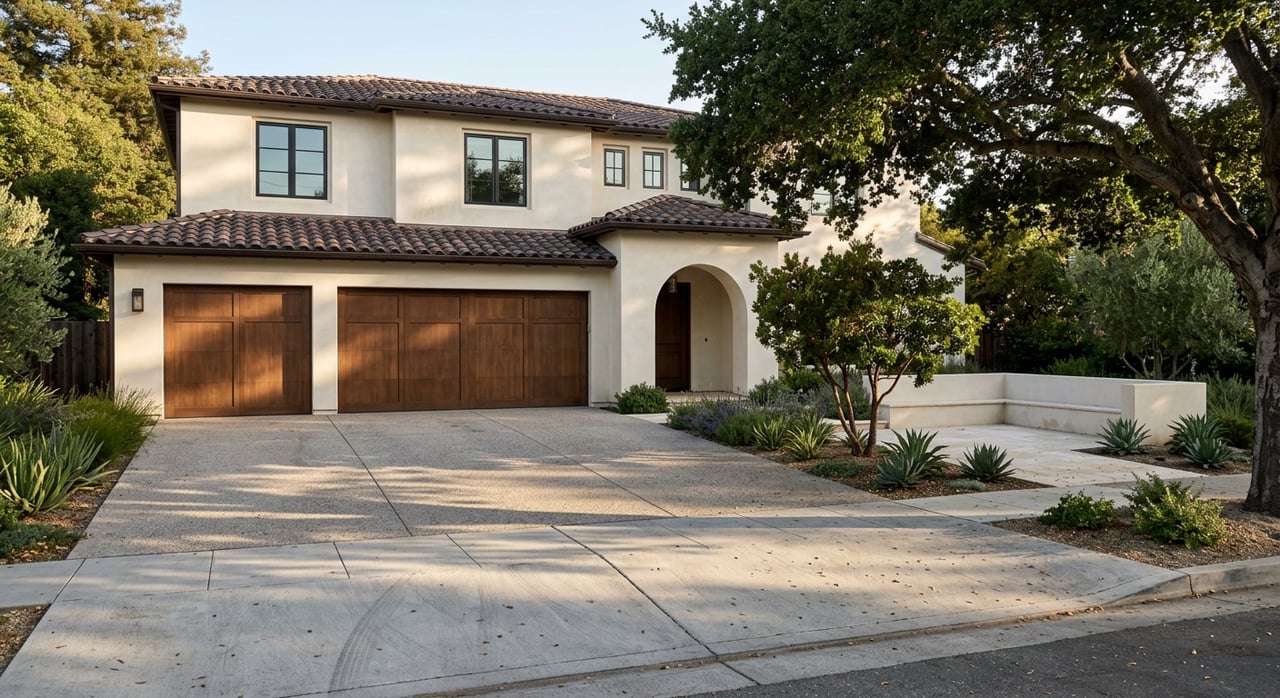
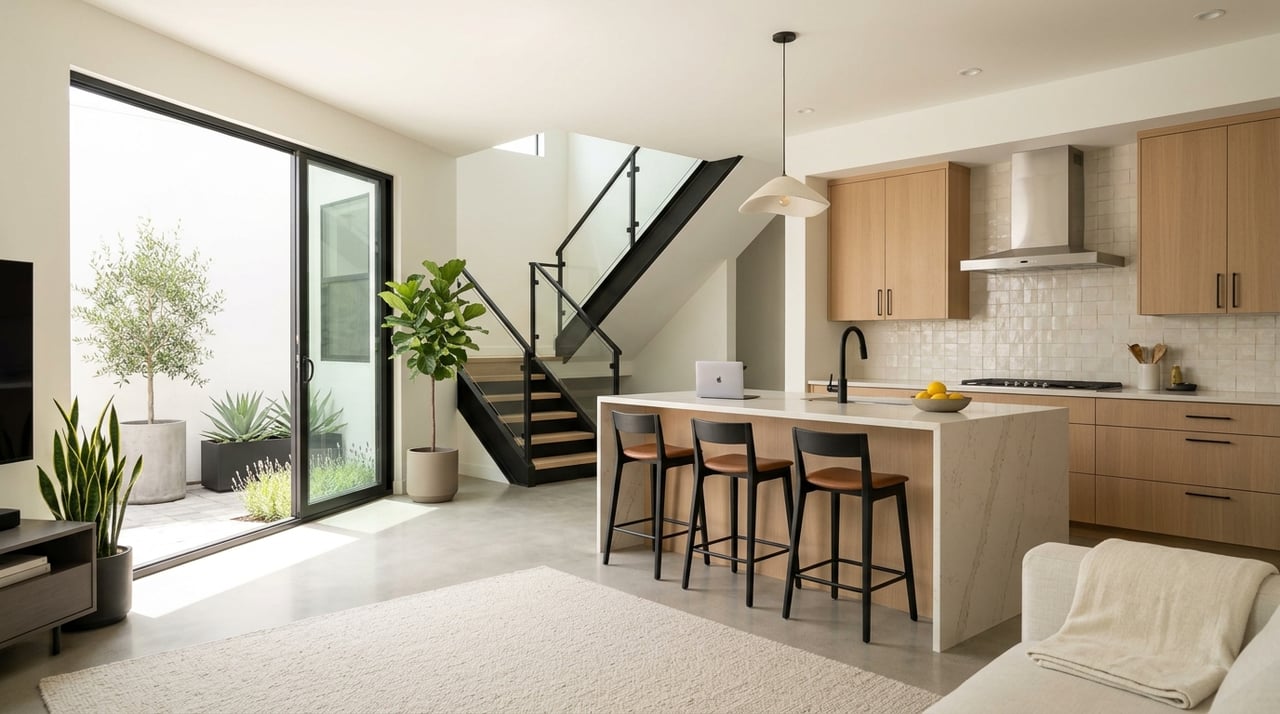
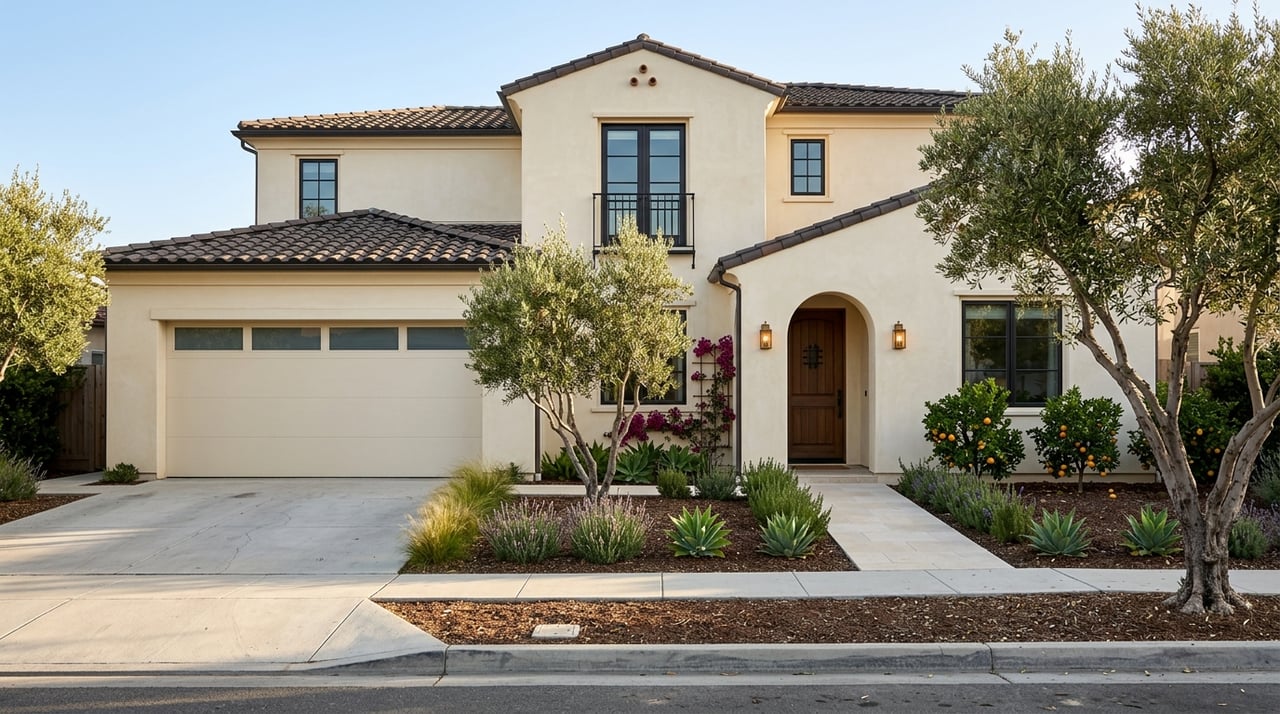
One of the biggest things to understand about Orange is that the housing stock is not one-size-fits-all. Your experience can look very different depending on whether you are drawn to historic homes, condo living, or areas closer to major corridors.
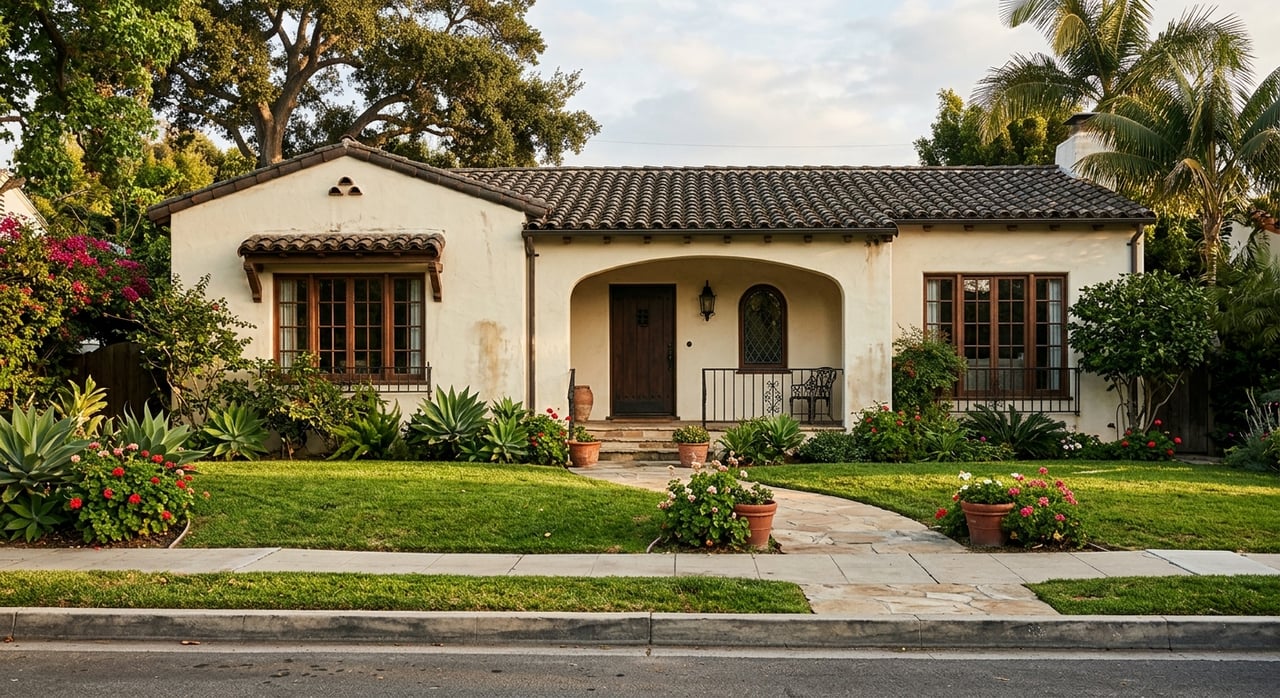
If you love architecture and older homes with personality, Old Towne is usually the first place people notice. The city describes Old Towne Orange as the largest Nationally Registered Historic District in California.
The area includes styles like Craftsman, Spanish Colonial Revival, Tudor Revival, Prairie, Folk Victorian, and bungalow homes. Many properties date back to the 1880s through the early 1900s, and a lot of that original character has been preserved.
That charm comes with an important practical note. In Old Towne, many exterior changes are subject to historic preservation design standards, so buyers should be prepared for additional review if they plan to make visible updates.
Orange is not only historic homes. City planning materials for the South Main Street Corridor point to a broader mix that includes housing near medical and commercial corridors, as well as mixed-use and higher-density potential in areas like Katella.
That means you will find more than one lifestyle pocket here. Depending on where you look, Orange can offer traditional neighborhoods, condos, apartments, and areas shaped more by convenience and access than by historic appeal.
For many buyers, the biggest reality check is price. According to Census QuickFacts, the median owner-occupied home value in Orange is $945,800.
The same source reports a median gross rent of $2,327, median monthly owner costs with a mortgage of $3,339, and an owner-occupied housing rate of 56.7%. In simple terms, Orange offers a lot of appeal, but affordability is a real factor you will want to weigh early.
If you are planning a move here, it helps to be clear on your budget, financing options, and the kind of home you are targeting before you start touring. That is especially true if you are comparing Orange to nearby markets with a different price point.
Location is one of Orange’s strongest everyday advantages. Old Towne is accessible from the 22, 57, 55, and 5 freeways, which helps with getting around Orange County and beyond.
The Orange Transportation Center adds another layer of convenience. It is served by Metrolink and OCTA bus routes, and the station sits on both the OC Line and the Inland Empire/Orange County Line.
That can matter if you want flexibility beyond driving. The Census also puts the city’s mean travel time to work at 25.8 minutes, which gives Orange a practical edge for people trying to balance work access with lifestyle.
Orange is not just a bedroom community. The city identifies West Orange as an employment hub with three major medical centers, including CHOC and St. Joseph Hospital, in the South Main Street Corridor overview.
For some residents, that means a shorter commute or easier access to major employers. It also adds to the city’s mix of residential, medical, retail, and institutional uses.
If outdoor access matters to you, Orange has a lot going for it. The city offers 22 parks, which gives residents a solid range of places to walk, play, and spend time outside.
Two standout options are especially worth noting. Irvine Regional Park is a 495-acre county park with the OC Zoo, trails, a lake, six playgrounds, train rides, paddle boats, pony rides, and softball fields.
Santiago Oaks Regional Park offers an even more natural feel in east Orange. The city lists it as a 1,760-acre open-space park with hiking, biking, and equestrian trails, a nature center, and scenic overlooks.
For many buyers, this is part of Orange’s appeal. You get a city setting with meaningful access to open space and outdoor recreation.
When people talk about the lifestyle side of Orange, Old Towne usually comes up first. The city says the district features antique and collectibles dealers, specialty shops, art galleries, and restaurants, which gives the area a walkable, local-business feel.
It also hosts regular events that keep the area active throughout the year. According to the city’s Old Towne Orange page, these include the Orange Home Grown farmers and artisans market every Saturday, the Orange International Street Fair, Treats in the Streets Autumn Festival, and the Tree Lighting Ceremony and Candlelight Choir Procession.
That kind of calendar adds to the city’s community feel. If you enjoy places where local events still play a visible role in everyday life, Orange has that built in.
Orange also supports a broader shop-local identity. The city’s Experience Orange program includes rewards at more than 600 participating locations.
Outside of downtown, Metrolink highlights The Outlets at Orange as Orange County’s only outlet mall, with more than 120 outlet and value stores plus about 25 dining spots. Chapman University also contributes to the local atmosphere, and its Musco Center for the Arts adds another cultural anchor near downtown.
For many households, schools and major institutions are part of what defines a city’s rhythm. In Orange, Orange Unified School District serves about 26,000 students across 42 sites and offers preschool through high school, including dual-language programs.
Chapman University is another major presence. The university’s Orange campus enrolls about 9.6K students, which supports the city’s college-town energy in certain areas and adds to the arts and events scene.
At a practical level, Orange works well for people who want character, convenience, and amenities in one place. You have a historic downtown, established neighborhoods, freeway access, rail access, parks, shopping, and a strong civic identity.
At the same time, Orange is not the right fit for everyone. The main trade-offs are cost and, in some areas, constraints tied to historic preservation or mixed-use surroundings.
If you want a newer master-planned feel, Orange may not be your style. But if you appreciate a city that feels established, connected, and full of distinct lifestyle pockets, Orange can be a very compelling place to call home.
If you are comparing Orange with other parts of Orange County or trying to narrow down which area fits your budget and lifestyle best, working with someone who knows how to match your goals to the right neighborhood can save you time and stress. If you want local guidance with a straightforward, hands-on approach, connect with Edwin Ramirez.
Stay up to date on the latest real estate trends.
Get assistance in determining current property value, crafting a competitive offer, writing and negotiating a contract, and much more. Contact me today.