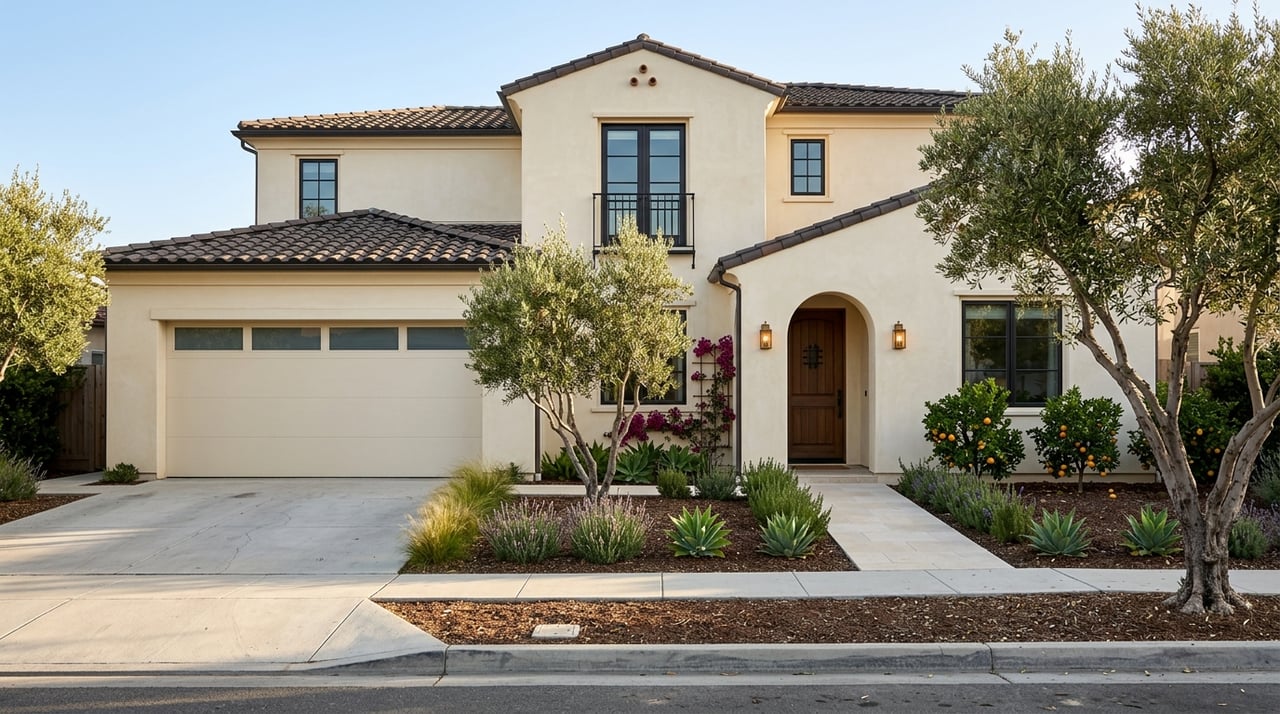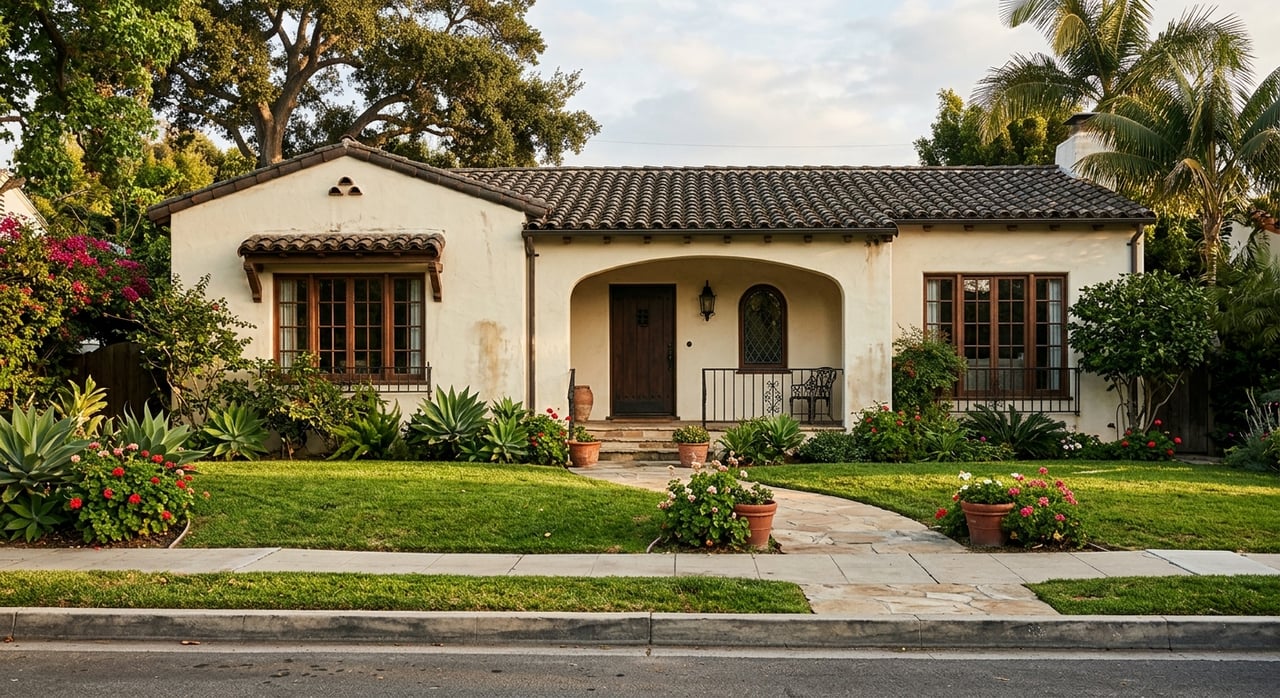
Historic And Character Homes In Orange, CA
May 14, 2026
May 14, 2026
Looking for a home with real character in Orange? This city offers something many buyers want but cannot easily find: neighborhoods where architecture, street patterns, and historic details still feel distinct today. If you are drawn to vintage charm, mid-century design, or the idea of owning a home with a story, Orange gives you several paths to explore. Let’s dive in.
Orange has one of the strongest historic-home identities in Southern California, and Old Towne Orange is the clearest example. According to the City of Orange, Old Towne includes three overlapping historic districts: the Plaza Historic District, the local Old Towne Historic District, and the Old Towne Orange Historic District. The city also describes Old Towne as the largest nationally registered historic district in California.
What makes that important for you is scale and continuity. Old Towne is not just a few older houses on one street. The city’s planning documents describe a broader historic area that includes the central Plaza, surrounding commercial buildings, and four nearby residential quadrants that reflect Orange’s growth from the late 1800s through 1940.
That larger setting helps explain why Orange feels different from areas where only a few older homes remain. Here, the historic pattern is part of the experience. When you shop in Orange for a character home, you are often looking at a place shaped by preservation rules, district identity, and long-term city planning.
If you picture a classic Southern California historic neighborhood, Old Towne likely comes close. The City of Orange’s historic resources inventory shows a heavy concentration of bungalow-era and early 20th-century homes in the area. That includes Bungalows, Craftsman Bungalows, Hip Roof Cottages, Victorian homes, Mediterranean Revival homes, Spanish Colonial Revival homes, and Classical Revival homes.
For buyers, this means variety. You may find a simple cottage with a compact footprint, a Craftsman with a prominent porch and wood detailing, or a more decorative Victorian with a very different look and layout. In other parts of the district, Mediterranean and Spanish-influenced homes add another layer to the architectural mix.
The city’s general plan outlines a clear timeline of how styles changed over time. Early homes in Orange were often Victorian or Queen Anne, then styles broadened before World War I to include Classical Revival, Craftsman, Bungalow, and Mediterranean Revival. Later, interwar styles such as Tudor, Provincial, Mediterranean, and Norman Revival became common, and by the 1930s Ranch and Minimal Traditional homes were more widespread.
Old Towne gets most of the attention, and for good reason, but Orange’s character-home story does not stop there. The city’s preservation materials also recognize other historic themes and areas, including Cypress Street Barrio and El Modena. In addition, the city notes that some late-19th-century farmhouses still survive in scattered locations outside the original core.
That matters if your taste does not fit one narrow style. You might prefer a home with a traditional historic look, or you might want something more modest, more spread out, or less tied to the center of Old Towne. Orange offers more than one version of “character,” which gives buyers room to match the home to their lifestyle.
It is also worth knowing that not every meaningful older property is a contributing home within a district. The city notes that some non-contributing properties may still be individually significant because of architecture, a person connected to the property, or a historical event. In short, a home can still have importance even if its classification is not as simple as buyers expect.
If your idea of character leans more mid-century than early historic, Orange also has a well-known Eichler story. The City of Orange says Joseph Eichler built 339 homes in the city across three tracts: Fairhaven, Fairmeadow, and Fairhills. These tracts were designated local historic districts in 2018 because of their mid-century modern architecture, community design, and largely unaltered character.
Eichler homes appeal to buyers who love clean lines, indoor-outdoor living, and a design-forward look that feels very different from older bungalows or Victorians. They are still part of Orange’s preservation conversation, just from a different era. This gives the city an unusual range, from late-19th-century architecture to recognized mid-century modern neighborhoods.
If you are considering an Eichler, design rules matter here too. The city says exterior work on Eichler homes must follow the Orange Eichler Design Standards. That means remodel plans should be checked carefully before you assume a project will be simple.
Historic and character homes can be rewarding to own, but they usually require a more careful buying process. In Orange, the biggest issue is often not whether you can change a property, but how those changes must be reviewed and completed. A home’s district status and classification can shape what is realistic.
In Old Towne, the city says exterior changes must comply with the Historic Preservation Design Standards for Old Towne. The city also says projects involving buildings older than 40 years should be reviewed early with Planning Division staff to determine whether CEQA review may be required. For you, that means visible exterior work may involve more steps than it would on a typical tract home.
The city’s municipal code also states that alterations in a historic district must follow the State Historical Building Code for rehabilitation, preservation, restoration, or relocation work. That does not mean every project is difficult, but it does mean you should go in with clear expectations. If your plan includes major exterior updates, it is smart to verify the process early.
Before you write an offer, it helps to know exactly what you are buying. Is the home inside a historic district? Is it a contributing resource, a non-contributing property, or potentially significant on its own? Those details can affect design review, long-term maintenance decisions, and how you think about future updates.
The City of Orange gives buyers useful tools for this research. Its Preservation Resources page points to Preservation Online, where you can review district boundaries, survey forms, construction dates, floor-area-ratio information, and Mills Act properties. The city also provides access to inventory information and historic context statements that can help you understand the property in more detail.
This is one reason a detail-oriented agent matters in this niche. Historic-home purchases often involve more than price and condition. You also want someone who can help you ask the right questions early, spot possible review issues, and keep your expectations realistic before you commit.
For some buyers, a historic home also raises the question of property-tax relief. Orange has a local Mills Act program that can offer a potential property-tax reduction in exchange for preserving and rehabilitating a qualified historic property. The city says the program began in 1998 and that more than 200 Orange properties have received the benefit.
Eligible properties may include contributing properties in established historic districts and properties designated or found eligible for the National Register of Historic Places or the California Register of Historical Resources. The city also notes that Mills Act contracts are recorded against the property, transfer to future owners, and require ongoing reports plus a 10-year rehabilitation plan update.
There is one important current note. The City of Orange says it is not presently accepting new Mills Act applications while the program is under review. Because that status can change, buyers should treat it as a current snapshot and confirm details with the city during their home search.
Owning a historic or character home often calls for a repair-and-retain mindset. Instead of replacing everything with newer materials, owners usually get the best long-term result by preserving original features where possible and making compatible updates. That approach tends to fit both the home’s appearance and the city’s preservation goals.
Energy upgrades also need care. For older homes, improvements should be handled in ways that preserve the home’s defining features and avoid turning new elements into the most visually prominent part of the property. If you are thinking about exterior efficiency upgrades, the key is to balance function with character.
Health and safety due diligence matters too. The CDC says homes built before 1978 may contain lead-based paint, and renovation work in pre-1978 homes can create dangerous lead dust. If you are buying an older home in Orange, it is wise to pay close attention to testing, disclosures, and lead-safe work practices.
A historic or character home in Orange can be a great fit if you value architecture, neighborhood identity, and a property that feels different from standard resale inventory. You may gain charm, design detail, and a stronger sense of place. In Orange especially, you also gain access to some of the most clearly defined historic and mid-century areas in the region.
At the same time, these homes are usually best for buyers who are comfortable doing extra homework. You will want to understand district rules, verify property status, and think carefully about future projects before you buy. The reward is a home with personality, but the process works best when you go in informed.
If you are exploring historic and character homes in Orange, having clear guidance can make the search much easier. Edwin Ramirez offers honest feedback, hands-on support, and steady communication so you can evaluate charm, condition, and future plans with confidence.
Stay up to date on the latest real estate trends.
Get assistance in determining current property value, crafting a competitive offer, writing and negotiating a contract, and much more. Contact me today.